
Everyone loves to give advice. As pet owners, it only feels natural to want to follow advice– but how do you know what’s actually good advice, versus just a myth? How do we know which myths are real, versus the truth?
Many of the common beliefs people hold about dogs aren’t true, whether that’s because they only apply to some dogs, to certain situations, or they’ve been proven wrong over time. We’d like to offer some guidance in clearing up some of these myths. It’s time to debunk them!
Let’s review some common dog myths and explain why they’re just fiction– or the situations in which they apply! Here are some to get started:
1. Dogs can get along with anyone.
False! While some dogs are happy to meet everyone and never show any sign of fear, there are plenty that experience fear, anxiety, and just plain discomfort around people. This may include new people or specific ones– it may even be just a few certain people. Just like humans, dogs have past experiences and preferences that shape how they view people and we can’t expect them to get along with everyone just the same.
2. My dog is an alpha, or I need to show dominance over my dog.
Likely false. While dominance theory is often talked about by dog trainers, some people misinterpret what it means. There are behaviors that are dominant and submissive– and there are dogs that exhibit one trait more than the other. However, dominance theory was originally based on a study that was disproven that showed that wolves in packs all followed one leader, the alpha. This was attributed to dog behavior for many years, but has been proven wrong. Dynamics of a dog pack are more fluid and change, they don’t all follow one leader.
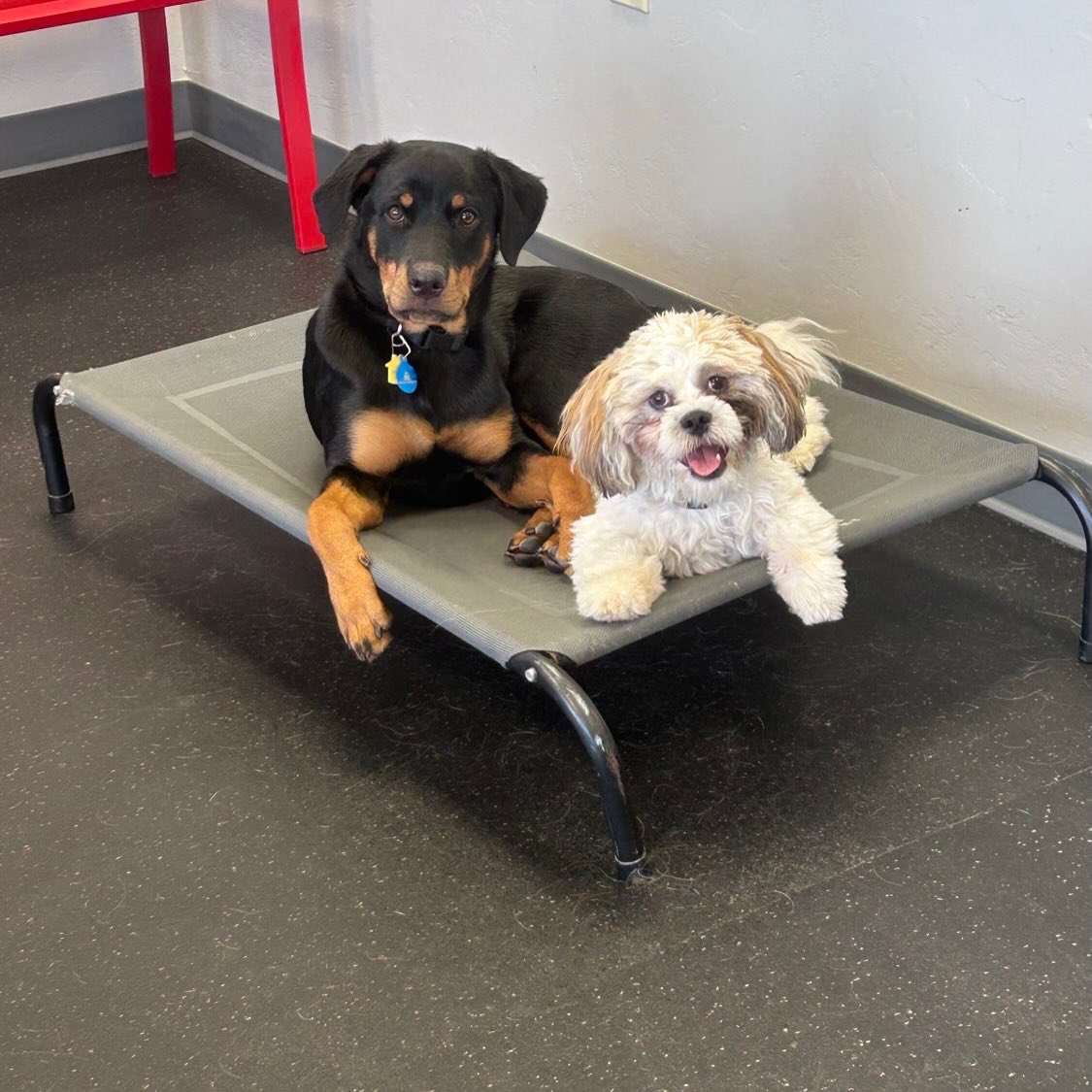
3. Dogs of different sizes shouldn’t play together.
False! At Dogs of Tucson, we’ve met many pet owners who believe their smaller – or larger – dogs would only play well with dogs of their size. However, dogs are much smarter and more flexible than we sometimes think. We’ve seen firsthand how dogs of all sizes and shapes can become best friends. We believe it’s best to sort dogs not by size, but by temperament, play style, and their own personal preferences. Dogs of Tucson is an indoor dog park and dog daycare that lets dogs interact in groups created to ensure a safe, happy environment for everyone! (link)
4. I can tell which dogs are rescues just by looking at them.
False! Not all rescues look the same. Some people assume when they see a dog of a certain breed (especially purebred dogs) that they couldn’t be rescues and must have been bought from breeders. However, any type of dog can be found in a shelter! Purebred dogs with their papers can be found somewhat routinely in shelter because their owners weren’t prepared for the upkeep and lifestyle some of them require. The same can be said for mixed breed dogs! While some people might assume they must have been rescued from a shelter, they can actually have been adopted from a reputable breeder. One of the most commonly sought after dogs, doodles, are a mix that is frequently raised and bred.
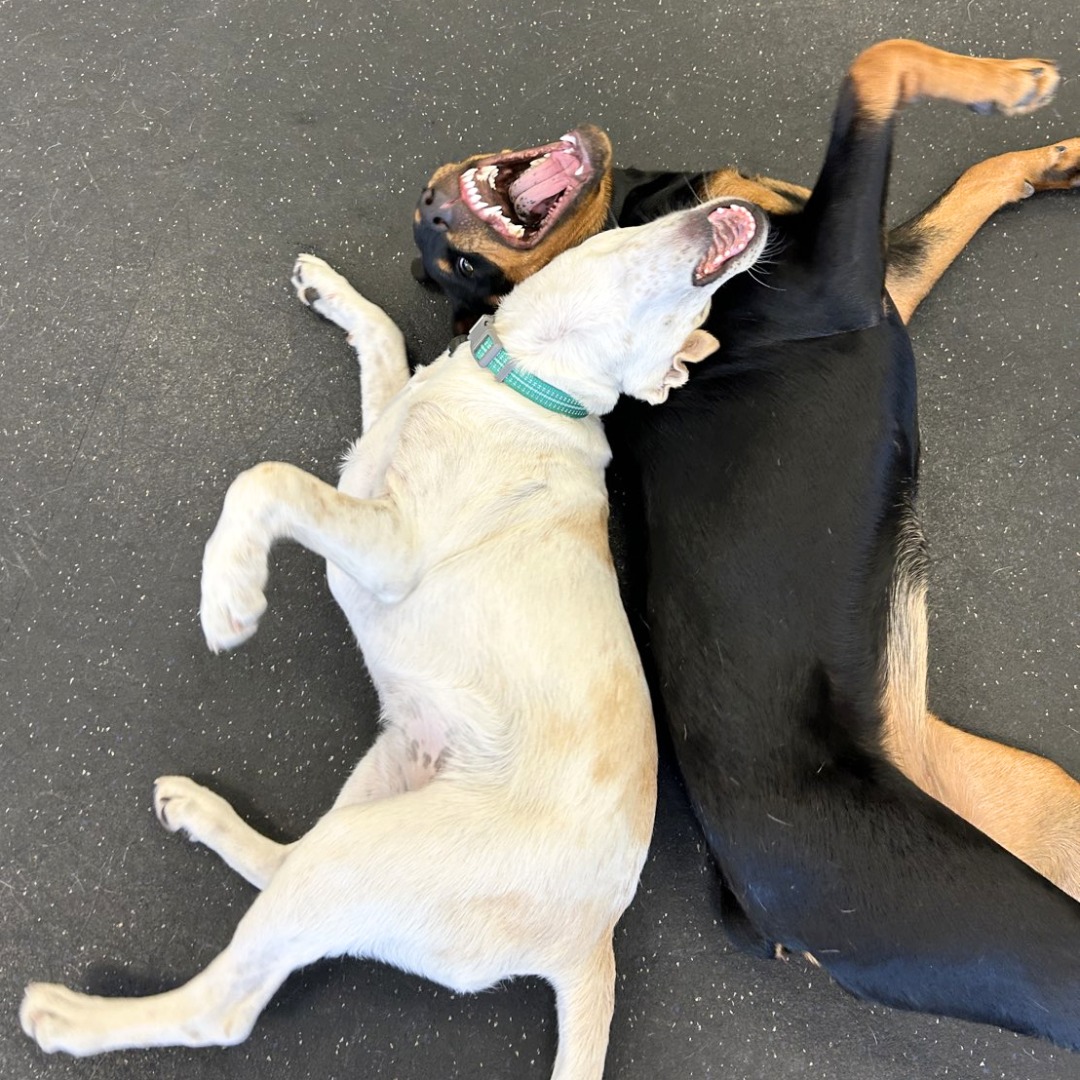
5. Barking, growling, and teeth-y dog play are signs of aggression.
False! While these can be signs of aggression in some situations, that’s not true for all dog play. In fact, these can be indications of normal, healthy dog play! It’s important that you supervise your dog so that you know the context for each situation. That will help you better understand their body language. Signs that your dog is having a good time can also include: big, bouncy movements, taking turns chasing one another, pauses, and using their mouth gently when they do bite. To learn about dog play body language more in-depth, here’s one of our past blogs on the subject.
The next time you hear advice about dogs, make sure to look it up and use several sources before believing it! There is a lot of misinformation out there and it can be difficult to find a trusted source. We’re always happy to share our dog expertise with our friends and clients, so feel free to reach out if you have questions or concerns.